A winter wedding in South Africa, from June to August, usually costs less and is easier to book. On the Gauteng highveld, winter days are dry, sunny and mild, so rain is unlikely. Start the ceremony by 15:00, hold the reception indoors, add fires and blankets, and serve warm food. Oxbow's 2026 winter weekday hire starts at R17 950.
Winter is the most underrated wedding season in the northern half of South Africa. On the Gauteng highveld, June, July and August bring dry air, clear skies and bright, mild afternoons. The evenings are cold, but that is easily managed with good timing and a warm hall. In return, couples get lower venue hire, more dates to choose from and the kind of low golden light photographers love.
This guide explains what a highveld winter is really like, how much you can save, and how to plan the day so that every guest is comfortable.
What is winter like on the highveld?
Gauteng has summer rainfall. Winter is the dry season, which means the weather is the most predictable of the year. In general terms you can expect:
- Clear, sunny days with very little chance of rain
- Mild afternoons that are pleasant in the sun
- Cold mornings and evenings, with temperatures dropping quickly after sunset
- Early sunsets, at roughly 17:30 in June and July
- Golden grassland and bare or pale trees in place of summer green
This is quite different from a Cape winter, which is wet. A winter wedding in Gauteng is far less of a gamble with the weather than a wedding in December or January, when afternoon storms are common. As always, conditions vary from year to year.
How much can you save with a winter wedding?
Venue hire is where the season shows most clearly. At Oxbow Country Estate, 2026 venue hire ranges from R17 950 for a winter weekday to R56 600 for a summer Saturday. That is a difference of R38 650 between the two ends of the price list for the same estate, the same hall and the same exclusive use.
| Date choice | 2026 venue hire | Compared with a summer Saturday |
|---|---|---|
| Winter weekday | R17 950 | R38 650 less |
| Summer Saturday | R56 600 | Top of the range |
Winter weekends and other combinations fall between those two figures. The wedding quote builder shows the hire fee for the specific date you have in mind.
Catering is priced per head and does not change with the season. Oxbow's plated menus are R780, R875 and R985 per head for 2026. Many couples use the saving on venue hire to move up a menu, extend the guest list or add a second night's stay.
Other suppliers are also quieter in winter. Photographers, florists and bands are easier to secure, and some offer off-season rates. Ask, but do not assume.
What are the other advantages?
Better availability
Popular venues are often booked a year or more ahead for spring and autumn Saturdays. Winter dates are easier to come by, which helps if you are planning on a shorter timeline.
Beautiful light
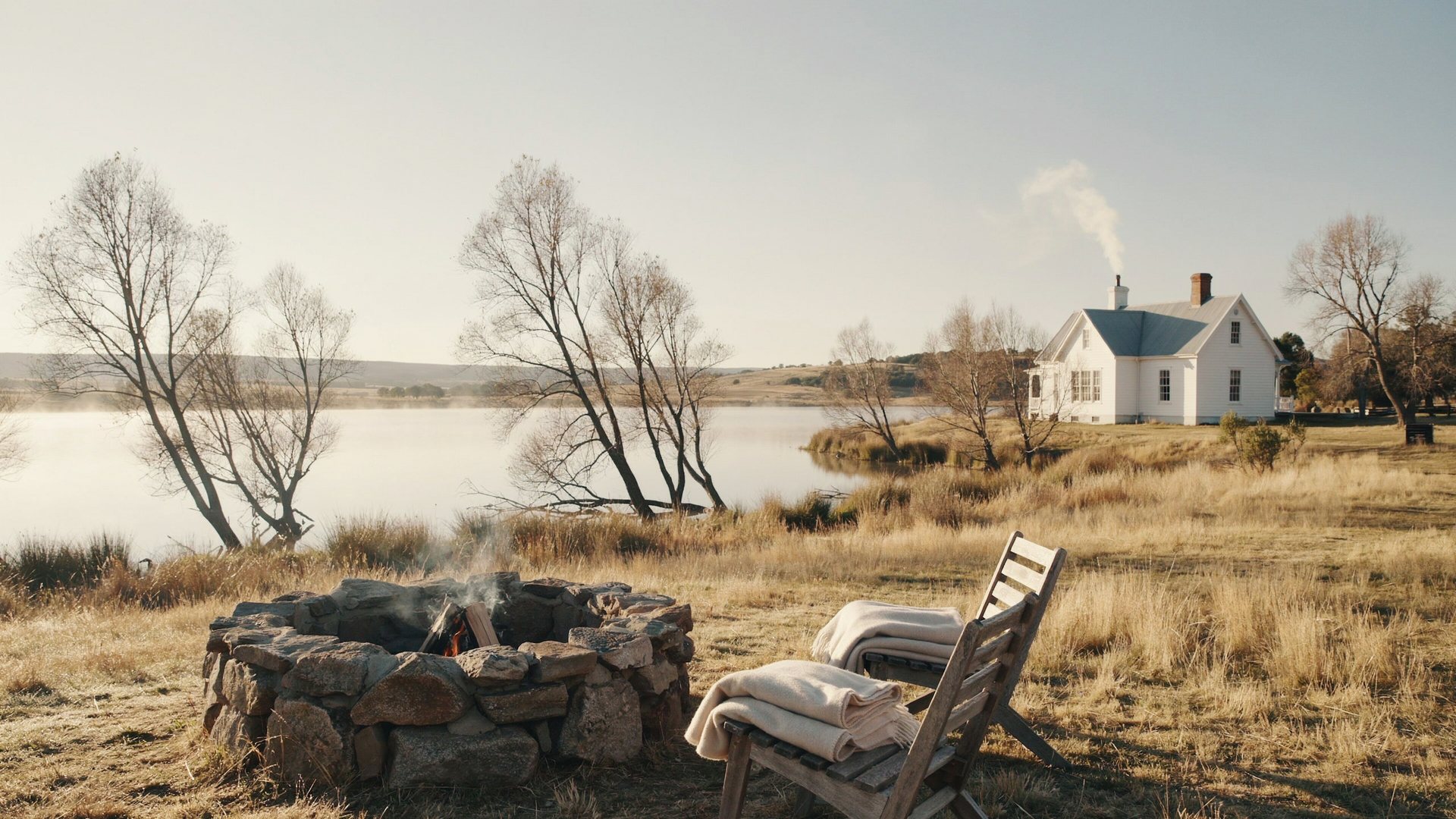
The winter sun sits lower in the sky all day. Midday light is softer, and the last hour before sunset is warm and golden. Mist on the water in the morning and long shadows across the lawns are a gift for photographs.
A cosy atmosphere
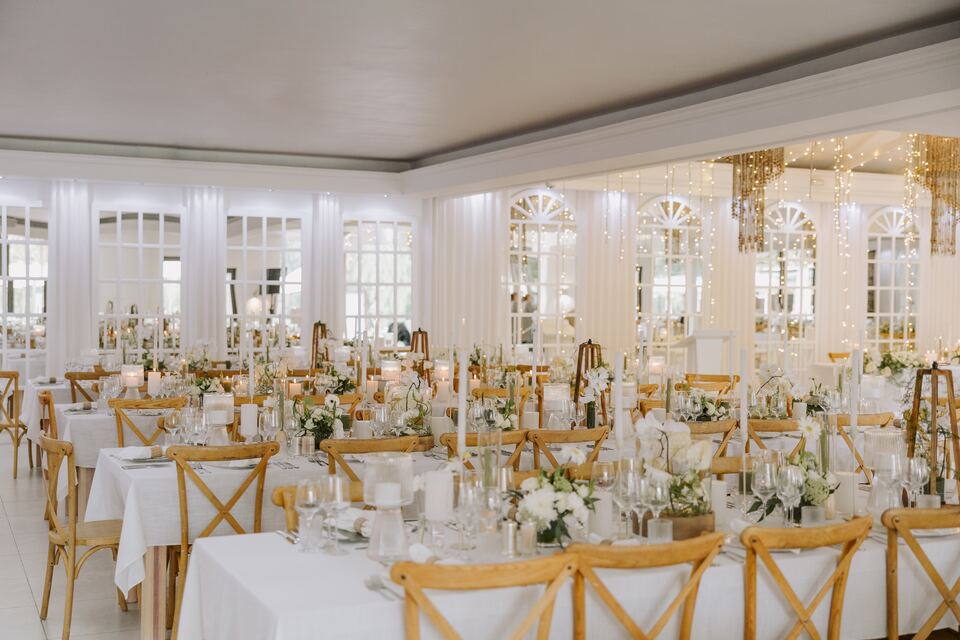
Fires, candles, rich food and red wine are at their best in cold weather. A reception hall glowing with candlelight feels very different in July than in January.
Comfortable attire
A suit and tie is far more comfortable at 18 degrees than at 32. Long sleeves, velvet, wraps and capes all become options.
How do you time a winter wedding day?
Because the sun sets early, a winter wedding runs to an earlier clock.
- 13:30 Guests begin to arrive.
- 14:30 Ceremony begins.
- 15:15 Drinks in the gardens, in the sun, while the couple has photographs.
- 16:30 Golden-hour photographs by the water.
- 17:15 Guests move into the hall as the temperature falls.
- 18:00 Dinner is served.
- 19:30 Speeches, cake and the first dance.
- 20:30 Dancing, with the boma fire lit for those who want air.
The important points are a ceremony start no later than 15:00, photographs finished by sunset, and guests indoors before it gets cold.
Where should the ceremony be held?
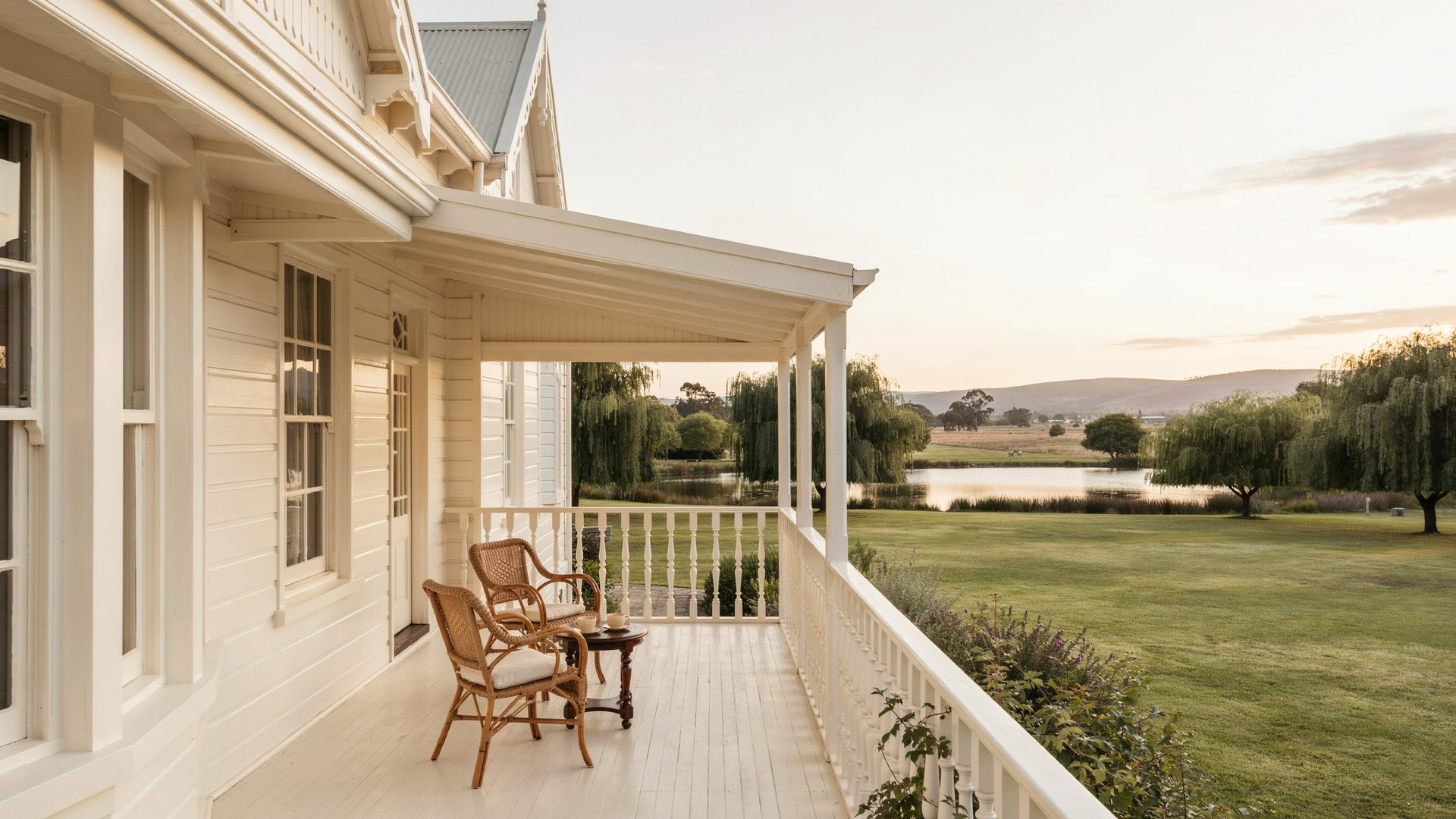
An outdoor ceremony is perfectly possible on a still, sunny winter afternoon, and Oxbow's waterside Pavilion suits that kind of day. If it is windy or unusually cold, the air-conditioned Chapel provides a comfortable alternative. Having both means you can make the choice on the day. Details are on the Pavilion and Chapel page.
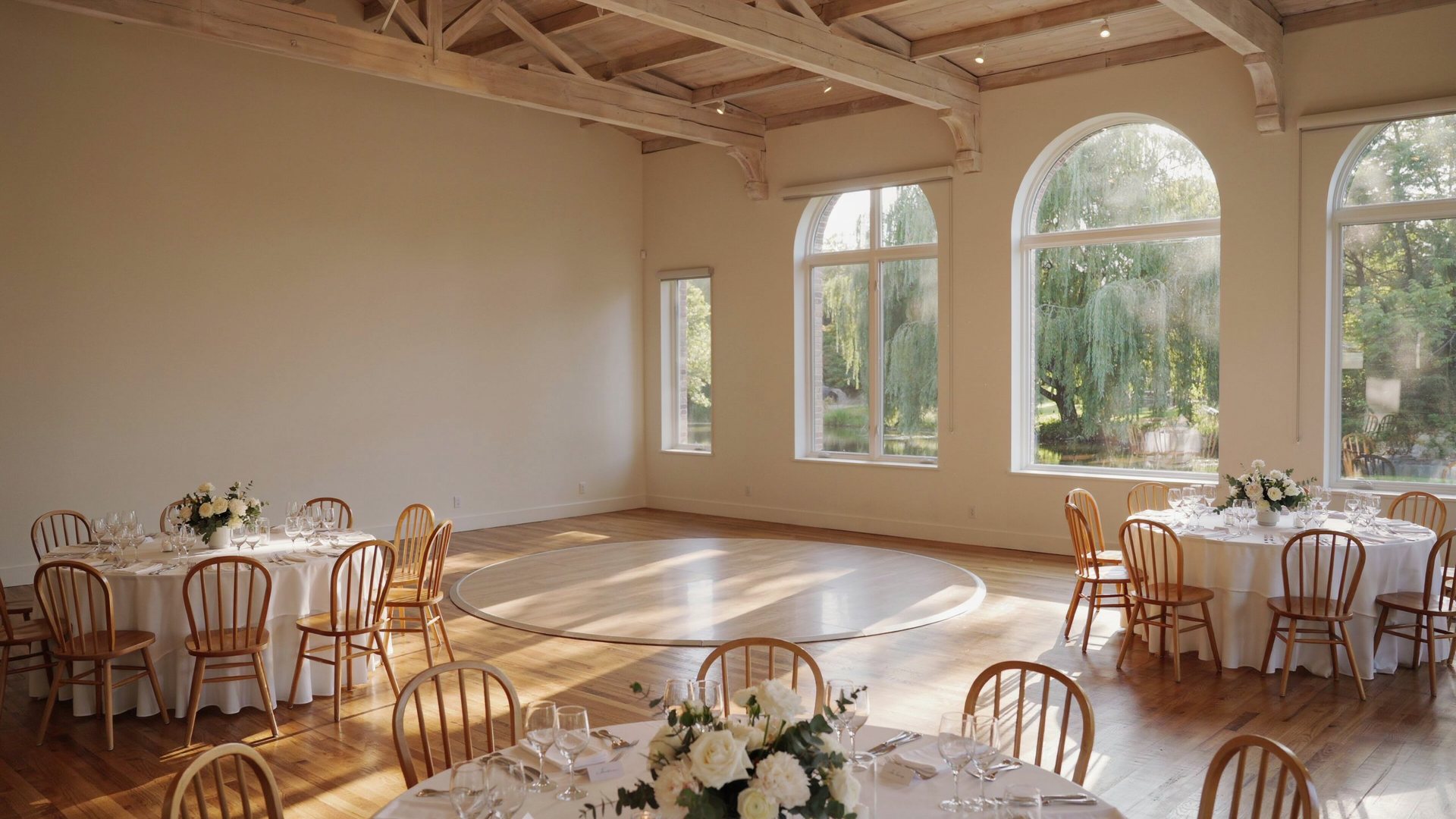
The reception is held indoors in Riverbed Hall, which seats up to 200 with a dance floor.
How do you keep guests warm?
A little thought goes a long way.
- Tell guests what to expect. A line on the invitation such as "The ceremony will be outdoors. Please bring something warm for the evening" is all it takes.
- Provide blankets. A basket of throws at the ceremony and around the fire is practical and looks inviting.
- Serve something hot on arrival. Coffee, hot chocolate, mulled wine or soup in small cups warms hands and sets the mood.
- Use the fire. Oxbow's boma gives guests a natural place to gather outside after dark.
- Seat older guests away from doors. Draughts matter more than room temperature.
- Keep outdoor time short after sunset. Plan the programme so that guests are inside once the sun is down.
What should you serve at a winter wedding?
Winter suits a plated meal. Guests stay seated in a warm room and are served hot food at the table. Think about:
- A warm starter, such as soup or a baked dish
- Slow-cooked or roasted mains with seasonal vegetables
- A baked or warm dessert
- Red wine, port or sherry alongside the usual bar
- A coffee and hot chocolate station later in the evening
Oxbow's three plated menus, A, B and C, can be discussed with the estate when you plan your meal.
How do you style a winter wedding?
Work with the season, not against it.
- Colour. Deep greens, creamy whites, warm neutrals and metallic touches sit well against golden grass. Rich accents such as burgundy or rust add warmth.
- Flowers. Ask your florist what is in season locally. Proteas, other fynbos and foliage are widely used in South African winter weddings and last well.
- Texture. Velvet, wool, wood and dried grasses add depth.
- Light. Use plenty of candles and warm fairy lights. Early darkness means your lighting is seen for most of the reception.
What are the drawbacks?
It would be unfair not to mention them.
- Gardens are less green, and deciduous trees have lost their leaves.
- There is less daylight, so the schedule is tighter.
- Evenings are cold, and guests need to dress for it.
- School holidays in late June and July can affect guests' travel plans.
For most couples these are small compromises in exchange for a dry day, good light and a meaningful saving.
Frequently asked questions
Is winter a good time to get married in South Africa?
In Gauteng and the rest of the summer-rainfall region, yes. Winter days are typically dry, sunny and mild, with cold evenings. In the Western Cape, winter is the rainy season, so the considerations are different there.
Are winter weddings cheaper?
Venue hire is usually lower. At Oxbow Country Estate, 2026 hire starts at R17 950 for a winter weekday, compared with R56 600 for a summer Saturday. Catering is charged per head and stays the same year round.
What time should a winter wedding ceremony start?
Start by 14:30 or 15:00. The sun sets at around 17:30 in midwinter in Gauteng, and you will want the ceremony and photographs finished before then.
Can you have an outdoor ceremony in winter?
Yes, on a calm sunny afternoon it is very pleasant. Choose a venue with an indoor alternative in case of wind or cold. Oxbow offers both a waterside Pavilion and an air-conditioned Chapel.
What should guests wear to a winter wedding?
Formal wear with layers. Suits, long dresses, wraps, coats and closed shoes are all sensible. Let guests know in advance if any part of the day is outdoors.
What flowers are available for a winter wedding?
Availability changes from year to year, so ask your florist what is in season. Proteas, fynbos and foliage are popular winter choices in South Africa and hold up well through a long day.