
To marry legally in South Africa you need a registered marriage officer, both partners present with valid identity documents, and two witnesses. The register is signed at the ceremony and the officer submits it to Home Affairs. If you want to marry out of community of property, an antenuptial contract must be signed with a notary before the wedding.
To be legally married in South Africa, a registered marriage officer must conduct the ceremony, both of you must be present with valid identity documents, two witnesses must attend, and the marriage register must be signed. The marriage officer then submits the paperwork to the Department of Home Affairs, which records the marriage on the National Population Register. You can do all of this at a wedding venue. There is no need for a separate trip to a Home Affairs office if your officer is properly registered.
This is a general guide for couples planning a venue wedding. It is not legal advice. Rules and forms change, so confirm the details with your marriage officer, an attorney or the Department of Home Affairs.
What kinds of marriage does South African law recognise?
There are three main routes.
| Type | Governing law | In brief |
|---|---|---|
| Civil marriage | Marriage Act 25 of 1961 | The familiar form of marriage, conducted by a magistrate, Home Affairs official or a registered religious marriage officer |
| Civil union | Civil Union Act 17 of 2006 | Open to same-sex and opposite-sex couples, registered as either a marriage or a civil partnership, with the same legal consequences |
| Customary marriage | Recognition of Customary Marriages Act 120 of 1998 | Negotiated and celebrated according to customary law, and registered with Home Affairs |
Parliament has been considering changes to bring these laws together under a single statute. If you are reading this some time after it was written, check which legislation currently applies.
What do you need to get married?
For a civil marriage or civil union, the usual requirements are:
- A registered marriage officer. Ask to see proof of registration, and check that they are authorised for the type of ceremony you are having.
- Both partners present. You cannot be married by proxy.
- Valid identity documents. South African ID books or cards, or passports for foreign nationals.
- Two competent witnesses. They must be present at the ceremony and sign the register. Witnesses generally need their own identity documents.
- Proof that any earlier marriage has ended. A final decree of divorce or a death certificate of a late spouse, where relevant.
- Legal capacity and consent. Both partners must freely consent. Additional consents are required where a person is under 18.
- Photographs. Marriage officers normally ask for identity-type photographs of each partner for the register.
Your marriage officer will tell you exactly which documents and copies to bring, and many will ask for them several weeks ahead.
What happens legally on the wedding day?
The legal part of a ceremony is short, and sits inside whatever religious or personal ceremony you have chosen.
- The marriage officer confirms your identities and that there is no legal impediment.
- Each of you declares that you take the other as your lawful spouse. The law prescribes the wording of this declaration.
- You, your two witnesses and the marriage officer sign the marriage register.
- The officer issues a handwritten marriage certificate on the day.
- The officer submits the register to Home Affairs, where the marriage is recorded.
After that, you can apply to Home Affairs for an unabridged marriage certificate, which is the version usually needed for visas, emigration and some financial matters. Allow time for this, as it is not issued on the day.
Can you be legally married at a wedding venue?
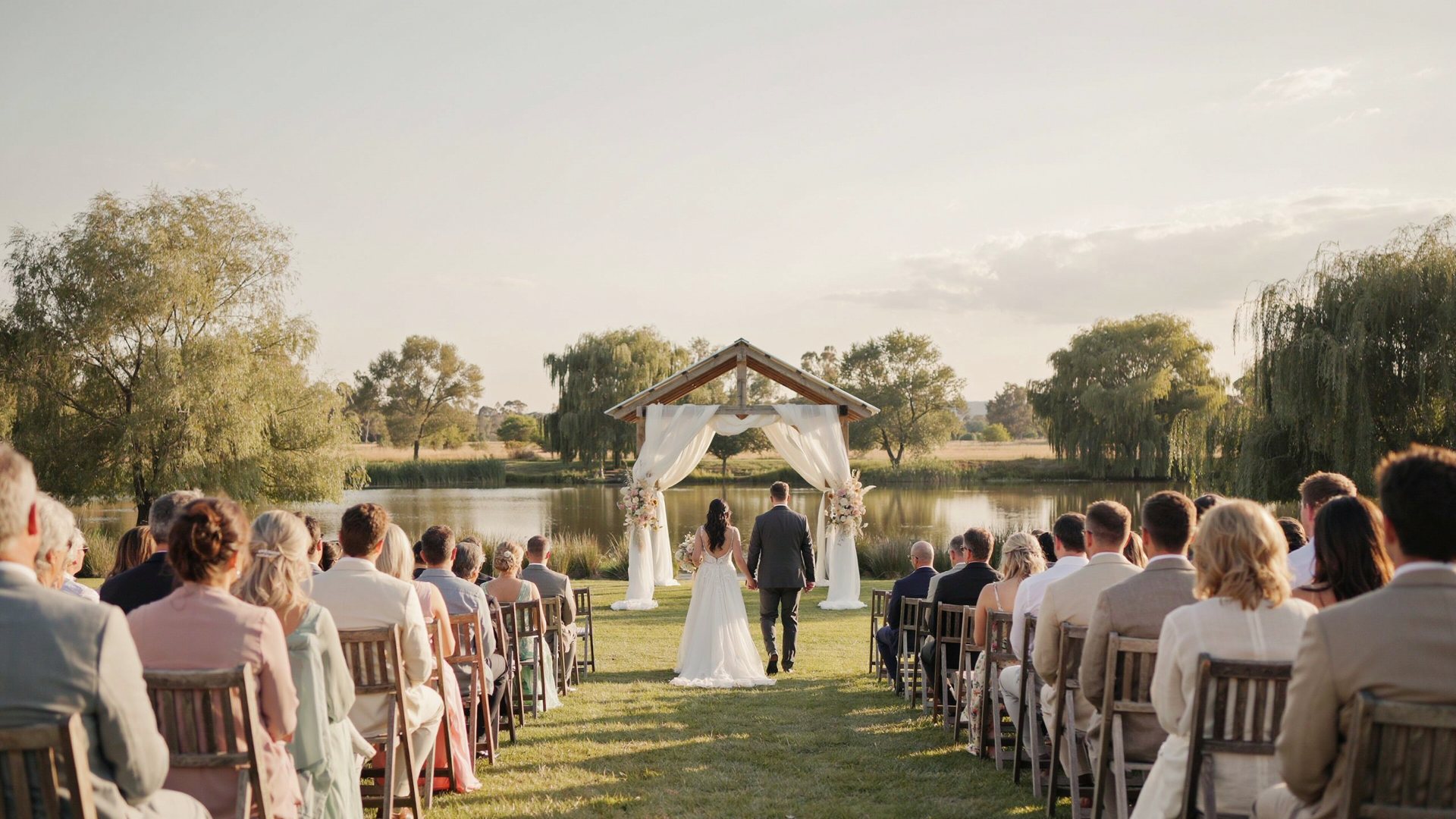
Yes. The Marriage Act refers to marriages taking place in a church or other building used for religious services, in a public office, or in a private dwelling with open doors. In practice, marriage officers conduct legal ceremonies at wedding venues every weekend, and your officer will advise on how they handle a garden or open-air ceremony. Some sign the register indoors after an outdoor ceremony. Ask yours how they prefer to do it.
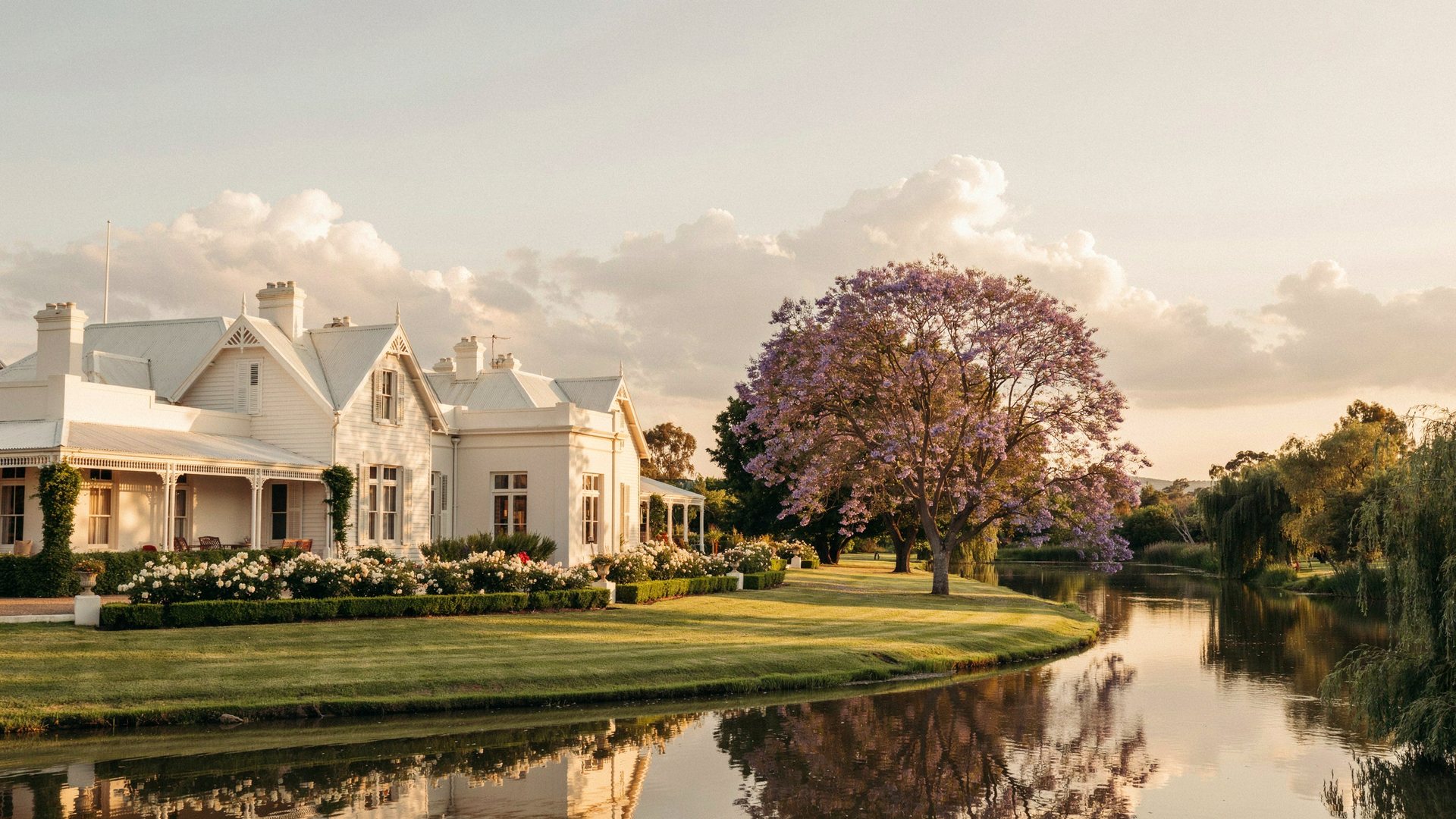
At Oxbow Country Estate, ceremonies take place at the waterside Pavilion or in the air-conditioned Chapel, both described on the Pavilion and Chapel page. When you plan the layout, allow for a small signing table and a few minutes in the programme for the register.
A practical note on the signing
- Place the signing table in good light, since it makes a lovely photograph.
- Choose your two witnesses in advance and tell them to bring their IDs.
- Have music played during the signing so guests are entertained.
- Keep a good pen on the table.
What is an antenuptial contract, and do you need one?
This is the decision couples most often leave too late.
If you marry without an antenuptial contract, South African law treats you as married in community of property. Broadly, that means everything each of you owns and owes, from before and during the marriage, forms one joint estate.
If you would prefer to keep separate estates, you must sign an antenuptial contract before the wedding. The main options are:
| Regime | How it works in broad terms |
|---|---|
| In community of property | One joint estate. Assets and debts are shared. This is the default if no contract is signed. |
| Out of community with accrual | Separate estates during the marriage. The growth in each estate during the marriage is shared when it ends. |
| Out of community without accrual | Separate estates throughout, with no sharing of growth. |
Key points to know:
- The contract must be signed before the wedding, in front of a notary public.
- The notary then registers it at the Deeds Office within a set period.
- Changing your regime after the wedding requires a High Court application, which is costly.
- Give your attorney several weeks. Do not leave it to the final fortnight.
Which regime suits you is a personal and financial decision. Speak to an attorney or notary who can explain the consequences for your circumstances.
What if one of you is not South African?
A foreign national can marry in South Africa. Expect to provide a valid passport and proof of legal entry, and possibly a document from your home country confirming that you are free to marry. Home Affairs may require an interview before the wedding. Requirements differ by nationality and change from time to time, so start early and ask your marriage officer and Home Affairs what applies.
Can you separate the legal marriage from the celebration?
Yes, and some couples do. You can sign the register at a Home Affairs office or with a marriage officer in a small private ceremony, and then hold a celebration with family and friends at a venue on another day. A ceremony at the venue can then be led by anyone you choose, since the legal formalities are already complete.
Most couples still prefer to do both together, with one officer and one set of vows, because it is simpler and the day carries its full legal meaning.
What about changing your surname?
A spouse may take the other's surname, keep their own or use a double-barrelled surname. The choice is noted when the marriage is registered. If you change your name, you will then need to update your ID, passport, bank accounts, driver's licence and other records, each through the relevant institution.
A legal checklist and timeline
| When | What to do |
|---|---|
| 6 months before | Choose and book your marriage officer. Decide which type of marriage applies. |
| 3 months before | Consult an attorney or notary about an antenuptial contract. |
| 6 to 8 weeks before | Send your officer copies of IDs, photographs and any divorce or death certificates. |
| 4 weeks before | Sign the antenuptial contract with the notary, if you are having one. |
| 2 weeks before | Confirm your two witnesses and remind them to bring IDs. |
| On the day | Bring original IDs. Sign the register. Receive the handwritten certificate. |
| Afterwards | Apply for an unabridged certificate if you need one. Update your documents. |
For the rest of your planning, the weddings page sets out what Oxbow offers, and you can contact the estate with questions about the ceremony spaces.
Frequently asked questions
What documents do I need to get married in South Africa?
Both partners need valid identity documents, which means a South African ID or a passport. You also need two witnesses with their IDs, and a divorce decree or death certificate if either of you was previously married. Your marriage officer will confirm the full list.
Do we have to go to Home Affairs to get married?
No. A registered marriage officer can marry you at a venue and will submit the register to Home Affairs for you. You only need to visit Home Affairs yourself if you choose to be married there, or later to apply for an unabridged certificate.
How many witnesses do you need for a wedding in South Africa?
Two. They must be present for the ceremony and sign the marriage register together with the couple and the marriage officer.
When must an antenuptial contract be signed?
Before the wedding, in front of a notary public, who then registers it at the Deeds Office. Without one, the marriage is automatically in community of property.
Is an outdoor wedding legally valid in South Africa?
Marriage officers regularly conduct legal weddings at venues, including garden settings. Because the Marriage Act refers to particular kinds of places, ask your officer how they handle open-air ceremonies. Some complete the declaration or signing indoors.
How long does it take to get a marriage certificate?
A handwritten certificate is issued by the marriage officer on the day. An unabridged certificate must be applied for through Home Affairs and takes longer, so apply early if you need it for travel or a visa.